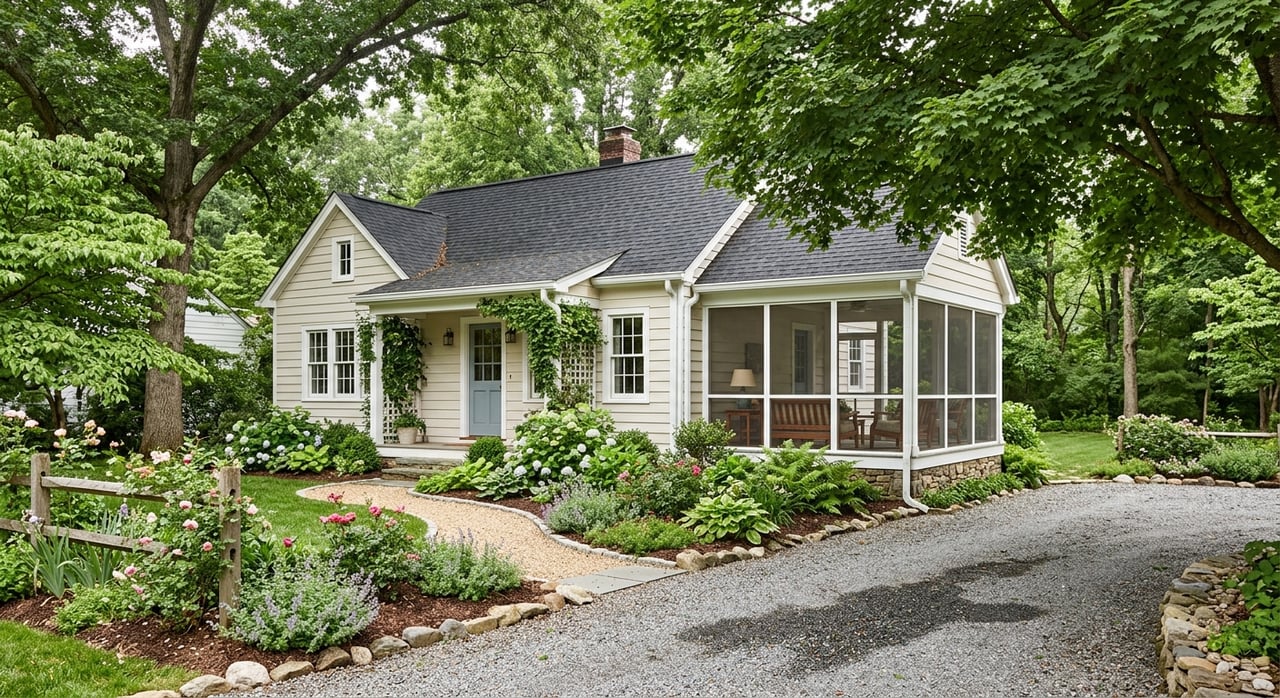
Buying your first home in Warren can feel both exciting and overwhelming. You want a solid house, a fair price, and a clear plan for what comes next. With most of Warren’s homes built in the mid 20th century, you will see a lot of practical, well-built options that deliver strong value for first-time buyers. In this guide, you will learn what your money buys here, the common home styles and updates to expect, what inspections and closing costs look like in Michigan, and which assistance programs can help. Let’s dive in.
What your money buys in Warren
Citywide median home values in Warren typically fall in the low 100s to low 200s, with recent snapshots clustering around 185,000 to 205,000. Days on market often run about 30 to 45, though well-priced homes in popular areas can move faster. Prices vary widely by neighborhood, which is why two buyers with the same budget might see very different options.
Here is a practical way to think about price bands when you shop:
- Under about 125,000: Small bungalows, older two-bedroom ranches, or heavy fixer opportunities in select pockets. These can be smart for investors or buyers ready for sweat equity.
- About 125,000 to 225,000: The sweet spot for many first-time buyers. You will find move-in ready or lightly updated three-bedroom ranches, split-levels, and brick bungalows, often with basements.
- About 225,000 to 350,000: Larger homes and more updated properties, including ranches and colonials in higher-priced parts of the city.
Inventory and pricing change week to week. A local advisor can help you interpret neighborhood-level value and spot good-condition homes before they draw multiple offers.
Home styles and ages you will see
Warren is an inner-ring Detroit suburb that grew rapidly in the mid 1900s. That history shows up in what you will tour: lots of single-story ranches, split-levels, smaller colonials, and classic bungalows. Newer infill exists, though it is a smaller slice of the market compared to the mid century stock.
In many homes you will see:
- Full basements, often with sump pumps. Moisture management and drainage are key inspection items.
- Forced-air furnaces, with age and energy efficiency varying by house.
- Brick veneer exteriors on many ranches, along with older windows or original electrical panels in some properties.
Knowing these baseline features helps you plan your inspection and your first-year maintenance budget.
Common updates and realistic costs
Many Warren homes are solid but may need refreshes after decades of use. Here are typical projects and broad cost ranges so you can plan. Always get 2 to 3 local quotes for precise numbers.
- Cosmetic refresh. New paint, basic flooring, updated hardware, and light kitchen touches can make a big impact. A small to mid-range cosmetic kitchen update commonly runs about 10,000 to 25,000 depending on materials and scope, according to national remodeling surveys from sources like Angi. You can review sample ranges in this overview of kitchen remodeling costs.
- Full kitchen remodel. Minor cosmetic work often lands near 10,000 to 20,000, mid-range can stretch to 65,000, and high-end goes above that. See the same Angi remodeling guide for breakdowns.
- Bathroom remodels. A typical full bathroom update can range from about 5,000 to 25,000 depending on finishes and layout. You can scan ranges in this renovation cost roundup.
- Roof replacement. For an average ranch with asphalt shingles, many replacements fall roughly between 6,000 and 15,000, depending on size, tear-off, and pitch. See comparable figures in this home renovation cost resource.
- HVAC or furnace replacement. Many systems age out around 15 to 25 years. Mid-range replacements often cost a few thousand dollars. See ranges in the same renovation cost overview.
- Basements and drainage. Confirm that the sump pump works, look for water stains, and consider a sewer scope if you see slow drains or backups. A sewer camera inspection is a common add-on and usually costs a few hundred dollars, as noted in this first-time buyer guide.
- Radon and lead paint. Macomb County promotes radon testing and often distributes kits during awareness campaigns. See recent local reminders about testing in this Macomb County radon article. If remediation is needed, typical systems often run a few hundred to a couple thousand dollars. For homes built before 1978, follow EPA lead-safe guidance for any renovation that disturbs paint.
- Hidden and recurring costs. Beyond your mortgage, plan for annual maintenance, insurance, utilities, and property taxes. Michigan homeowners can expect several thousand dollars per year in non-mortgage costs, according to this summary of homeowner expenses.
Set a realistic first-year budget that includes a small reserve for the unexpected. That buffer can be the difference between stressful and smooth homeownership.
Inspections, appraisal, and closing costs
Inspection basics and costs
A home inspection is your paid health check on the property. Inspectors review the roof, structure, systems, and visible issues so you can make an informed decision. A standard inspection often runs about 200 to 500, with add-ons like radon, mold, or sewer scope as extras. See typical ranges in this inspection cost guide.
Appraisal explained and costs
Your lender orders an appraisal to confirm the home’s value matches the loan amount. In Michigan, appraisal fees often range from about 280 to 700 depending on the property and complexity. Learn more in this appraisal cost overview.
Typical buyer closing costs in Michigan
Plan for about 2 to 4 percent of the purchase price for buyer closing costs, which can include lender fees, title services, and prepaid items. Your lender must provide a Loan Estimate and Closing Disclosure so you know the numbers before you sign. For a Michigan snapshot, review this closing cost guide.
Michigan transfer taxes
Michigan charges a state transfer tax of 3.75 per 500 of sale price plus a county transfer tax, commonly 0.55 per 500 in most counties. By local custom, sellers often pay these taxes unless the contract says otherwise. You can confirm the details in this Michigan home sale overview.
Property tax planning
Build estimated property taxes into your monthly budget. County-level effective property tax data shows how taxes vary, which helps you set a realistic annual number. For county comparisons, see this Tax Foundation data set.
Timeline and common contingencies
From accepted offer to closing, many Warren purchases take about 30 to 45 days, depending on financing, appraisal timing, and any repair negotiations. A typical path looks like this: pre-approval, house hunting, offer with an inspection contingency, inspection and negotiations, appraisal, underwriting, and closing. For a plain-language view of the process and disclosures, check the CFPB’s homebuying resources.
Assistance for first-time buyers
- MSHDA programs. Michigan’s state programs can be powerful for first-time buyers. Options include the MI Home Loan, the MI 10K DPA that can provide up to 10,000 in targeted areas, and a First-Generation DPA pilot that launched in 2025 offering up to 25,000. Income, price caps, and education requirements apply. Start with the official MSHDA homeownership page.
- Local bank and nonprofit grants. Some community banks and local nonprofits offer grants that can stack with MSHDA. As an example, you can explore the Open Door Grant from a regional bank and ask your lender about stackable options.
- City or county resources. From time to time, listings reference City of Warren buyer assistance or city-owned lot initiatives. Always verify current program names, funding, and eligibility directly with City Hall before you rely on them.
Pro tip: Complete required homebuyer education early and keep your documents organized. That speeds up approvals and helps you compete when the right house hits the market.
Simple buyer checklists
Budget and qualification checklist
- Get a full pre-approval and keep your pre-approval letter handy.
- Save for your down payment, closing costs, and an emergency reserve.
- Confirm eligibility for MSHDA or local DPA and finish any required education using the MSHDA homeownership resources.
- Set a monthly payment target that includes principal, interest, taxes, insurance, and utilities.
Inspection checklist for Warren homes
- Roof: visible wear, missing shingles, and approximate age.
- Basement: water stains, sump pump operation, visible foundation cracks, and drainage.
- HVAC: furnace and A/C age, operation, and duct condition.
- Electrical: panel age and capacity, note any older wiring types.
- Plumbing: visible leaks, water heater age, and consider a sewer scope if you see slow drains.
- Windows and insulation: draft points and energy efficiency.
- Environmental: radon test and lead-safe guidance for pre-1978 homes.
How a local advisor helps
When you are buying a first home, small choices have big effects. A local advisor helps you compare neighborhoods, set smart offer terms, and avoid surprises during inspection and appraisal. You also gain access to a trusted vendor network for inspectors, contractors, title, and lenders, which saves time and reduces stress.
If you are ready to talk strategy, pricing, and next steps, connect with Kevin Paton for clear guidance and responsive service from first tour to closing.
FAQs
What price range do first-time buyers in Warren often target?
- Many first-time buyers focus between about 125,000 and 225,000, where you can often find move-in ready or lightly updated three-bedroom ranches, split-levels, or brick bungalows.
What home styles are most common in Warren, MI?
- You will most often see mid century ranches, split-levels, smaller colonials, and bungalows, with full basements and forced-air furnaces common across the city’s housing stock.
What inspection add-ons make sense in Macomb County?
- In addition to a standard inspection, consider radon testing, a sewer scope if drains are slow or the home is older, and specialized checks for mold or structural concerns when flagged by your inspector.
How long does it take to close after my offer is accepted?
- Many Warren transactions close in about 30 to 45 days, depending on your financing, appraisal timing, and how quickly all parties return documents and resolve any repair items.
What closing costs should I expect in Michigan?
- Buyers should plan for about 2 to 4 percent of the purchase price for closing costs, plus inspection and appraisal fees; see this Michigan closing cost guide for a snapshot.
Do I need a radon test in Warren?
- Testing is recommended in Macomb County, with local reminders and kit distribution noted in this radon awareness article; mitigation, if needed, is typically a few hundred to a couple thousand dollars.
Are there down payment assistance programs I can use?
- Yes. MSHDA offers the MI Home Loan, MI 10K DPA, and a First-Generation DPA pilot with up to 25,000, subject to income, price, and education rules; start at MSHDA’s homeownership page.