Dreaming about stepping into your backyard and seeing the water every day? Buying a waterfront home in New Baltimore can be exciting, but it also comes with details you do not want to miss. If you are thinking about a canal-front home, a lakefront property, or even a buildable waterfront lot, understanding the local rules and realities can help you buy with more confidence. Let’s dive in.
Why New Baltimore draws waterfront buyers
New Baltimore sits on Anchor Bay along Lake St. Clair, which gives it a real waterfront identity. The city’s downtown waterfront includes Walter and Mary Burke Park, with a beach, boardwalk, swimming area, and a 190-foot dock extending into the lake.
That local setting matters when you shop for a home here. Waterfront living is not just a marketing term in New Baltimore. It is part of how the city operates, with the Department of Public Service handling beach and dock maintenance and offering waterfront-related guidance materials.
What “waterfront” can mean in New Baltimore
One of the biggest mistakes buyers make is assuming every waterfront property offers the same experience. In New Baltimore, the waterfront market is mixed, and the type of frontage can change how you use the property.
Recent listing snapshots showed only a small number of waterfront homes and lots on the market at one time. Those listings ranged from about $135,000 for a lot to about $1.15 million for a house, which shows how wide the pricing can be depending on location, improvements, and water access.
Common waterfront property types
In New Baltimore, waterfront listings have included:
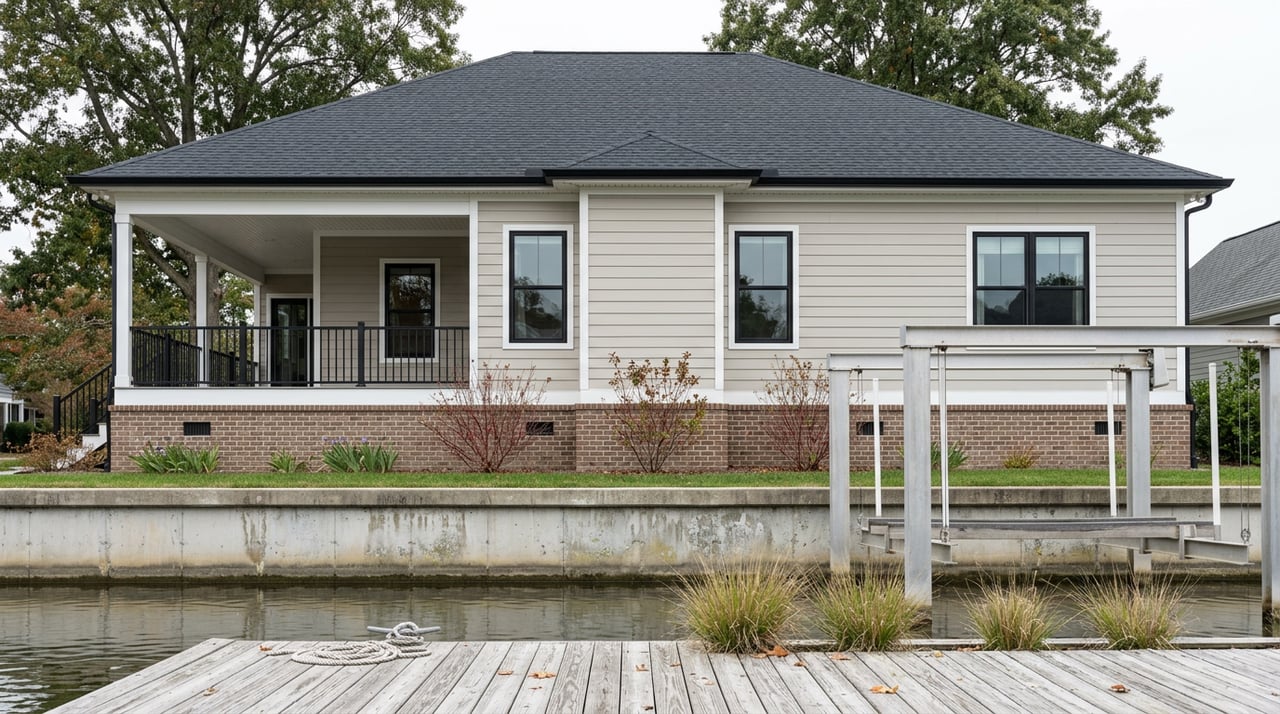
- Canal-front ranch homes with seawalls and boat docks
- All-sports lake properties with water access
- Waterfront lots marketed for custom homes
- Cape Cod-style waterfront houses
That variety is important. There is no single “New Baltimore waterfront home” style, so your search should focus on how you want to use the property, not just the label in the listing.
Canal-front is not always big-water access
Some canal-front properties may be ideal for kayaking, paddleboarding, and small watercraft, but not necessarily for larger boats or direct open-water convenience. Before you make an offer, confirm exactly what type of water access the property provides.
Ask simple, practical questions early. Can you keep a boat there? What size watercraft works best? Is the canal depth or width a factor? Those answers can affect whether a home really fits your lifestyle.
Due diligence matters more on waterfront homes
With any home purchase, details matter. With a waterfront home, they matter even more.
In New Baltimore, the best-looking part of the property may be the part that needs the most research. The view is easy to fall in love with, but your decision should also be based on frontage type, shoreline improvements, flood exposure, and expected upkeep.
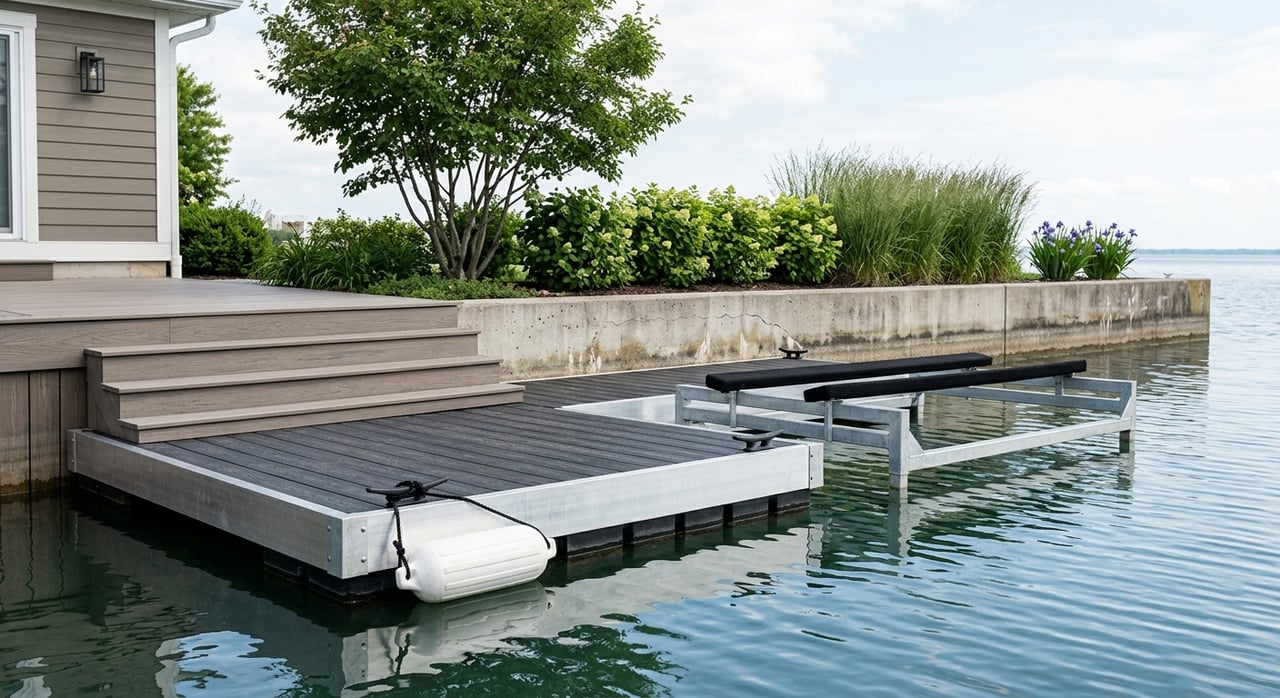
Review docks, seawalls, and shoreline features
If the property has a dock, seawall, beach area, dredged channel, or other shoreline improvements, verify what exists and whether it was properly permitted. In this part of Michigan, shoreline work can trigger state oversight.
Michigan EGLE requires permits before filling, dredging, or placing a structure on Great Lakes bottomlands, and that authority extends to the ordinary high-water mark. Shoreline projects at or below the ordinary high-water mark also require permits, so buyers should review the permit history before closing.
Understand year-round vs. seasonal structures
Not every dock is treated the same way. For inland lakes and streams, EGLE says permanent docks or boat hoists left in year-round require permits, while some seasonal private noncommercial docks or hoists may be exempt if they do not interfere with others or water flow.
That means you should not assume an existing setup is automatically compliant just because it is already there. A quick records review can help you avoid a surprise after move-in.
Floodplain and insurance questions to ask
New Baltimore has local flood-related regulations in place. Its code includes chapters for floods and waterways, and Macomb County’s hazard mitigation plan says the city has FEMA flood insurance rate maps and a floodplain ordinance.
For buyers, that means floodplain status should be part of your early review, not an afterthought. Even if you love the house, you need to understand how flood risk could affect your financing, insurance costs, and comfort level.
Flood insurance is separate
Flood insurance is separate from standard homeowners insurance. If a home is in a high-risk flood area and you are using a government-backed mortgage, flood insurance may be required.
Timing matters too. NFIP coverage typically has a 30-day waiting period, so this is not something to leave until the last minute. If a property raises flood questions, get clarity as early as possible in the buying process.
Water levels and seasons affect ownership
Owning on the water means paying attention to changing conditions. Great Lakes water levels can vary considerably over hours, seasons, and years, and conditions generally run lower in winter and higher in summer.
That seasonal movement can affect shoreline use, dock conditions, and maintenance planning. Ice cover also affects weather, water levels, water movement, and recreation, which is another reminder that waterfront ownership changes with the seasons.
Budget for seasonal maintenance
A waterfront home often comes with more outdoor maintenance than a typical inland property. In New Baltimore, even the city signals this seasonal reality through public services tied to beach and dock maintenance, plus waterfront guidance materials and sandbag resources.
As a buyer, it helps to think beyond the home itself. You may also be taking on shoreline care, dock upkeep, erosion concerns, or periodic repairs that do not come with a standard suburban lot.
Shoreline design affects cost and function
A seawall can look like a major benefit, but it is still worth taking a closer look. EGLE notes that seawalls can reduce the natural energy-dissipating effect of sloped, vegetated shorelines and can negatively affect water quality and habitat.
For you, the takeaway is practical. Shoreline design is not just about appearance. It can influence maintenance needs, future repair costs, and what types of changes may be realistic later.
Know where private use ends
Waterfront ownership can be less intuitive than buyers expect. Michigan’s Resilient Coast guidance explains that private shoreline property extends to the water’s edge as a movable freehold, while the public trust applies below the ordinary high-water mark.
In plain terms, you should confirm exactly where private use ends and public access begins before assuming rights tied to a beach, dock, or shoreline area. This is especially important if the property marketing makes broad claims about riparian benefits.
A smart waterfront buying checklist
Before you buy a waterfront home in New Baltimore, make sure you confirm the basics behind the listing photos.
Ask these questions before closing
- What type of waterfront is it: canal, bay, lake-adjacent, or lot with future potential?
- What watercraft is the property realistically suited for?
- Are the dock, seawall, hoist, or shoreline improvements permitted?
- Is the property in a floodplain, and what insurance may be required?
- Are there signs of erosion, deferred maintenance, or shoreline repairs?
- Where does private use end relative to the ordinary high-water mark?
- What seasonal upkeep should you budget for?
Those answers can shape both your enjoyment of the property and your long-term costs. On waterfront homes, strong due diligence before the inspection period ends often delivers the most value.
Why local guidance helps
A waterfront purchase usually has more moving parts than a typical home purchase. You are not just evaluating square footage and finishes. You are also weighing access, regulations, maintenance, and how the property functions throughout the year.
That is why local market knowledge matters. In a place like New Baltimore, where waterfront listings are limited and varied, it helps to work with someone who understands how to look past the view and focus on the details that protect your investment.
If you are exploring waterfront homes in New Baltimore and want clear, local guidance, Kevin Paton can help you evaluate the opportunity with confidence.
FAQs
What should you check before buying a waterfront home in New Baltimore?
- You should confirm the frontage type, dock and seawall status, permit history, floodplain exposure, and likely seasonal maintenance before closing.
What does waterfront mean for homes in New Baltimore?
- In New Baltimore, waterfront can mean canal-front, lake-access, direct bay frontage, or even a waterfront lot, so you should verify the exact type of access instead of relying on the label alone.
Do docks and seawalls in New Baltimore need permits?
- Some shoreline improvements may require permits, especially work at or below the ordinary high-water mark, so buyers should review permit history for docks, seawalls, dredging, and similar features.
Is flood insurance required for a New Baltimore waterfront home?
- Flood insurance is separate from homeowners insurance, and it may be required for homes in high-risk flood areas when a government-backed mortgage is involved.
Are New Baltimore waterfront homes more expensive to maintain?
- They can be, because waterfront ownership may include shoreline care, dock upkeep, erosion concerns, and seasonal maintenance tied to changing water and weather conditions.
Are all canal-front homes in New Baltimore suited for large boats?
- No, some canal-front properties are better suited for kayaking, paddleboarding, and small watercraft, so you should confirm access and use details for each home.